The official site says Mogothrow77 is not open source and is proprietary. Mogothrow77 is proprietary, closed-source software. While some third-party blogs claim that parts of the code are available under an open-source license, these claims lack public code repositories or verified licenses.
In this guide, we examine official statements, analyze third-party claims, and provide a simple checklist to help you verify software licensing yourself.
What the Official Mogothrow77 Site Says About Open Source
To understand the open-source status of Mogothrow77, you must start with the primary source. The creators of the software control the license. Third-party articles cannot change the legal rules set by the owners.
Exact wording from the official “open source” page
The official website, mogothrow77.com, states its stance clearly. On its “How Much Mogothrow77 Software Is Open Source” page, the site says Mogothrow77 is not open source.
The project creator, Cairis Tornhaven, presents Mogothrow77 as a commercial and proprietary tool. The official documentation contains no links to open-source licenses or public code downloads.
What “proprietary, closed source” means in practice
When software is proprietary and closed source, users face clear limits:
- No access to source code: You cannot view, edit, or study the underlying code.
- No redistribution rights: You cannot share or resell modified versions of the application.
- Vendor lock-in: You must rely entirely on the original developer for bug fixes and feature updates.
Where this is stated on the official site
Find this on the “How Much Mogothrow77 Software Is Open Source” page on mogothrow77.com. The official documentation outlines the terms of use. It makes no mention of open-source permissions.
Third-Party Claims: Partial Open Source, 60%, and “Core-Plus” Models
Despite the official stance, several online blogs and technical articles share a different story. These conflicting claims often confuse users searching for open-source alternatives.
Articles claiming partial openness or specific percentages
Some third-party websites assert that Mogothrow77 is partially open source. Unverified third-party claims assert that partial code is available, but there is no official source. Unverified third-party claims mention permissive licenses, but no official license file or repo has been found.
However, none of these articles provide links to an auditable public codebase to back up their numbers.
The “Core-Plus” or hybrid model narrative
Other sources describe Mogothrow77 as using a Core-Plus model or hybrid licensing architecture. In this theory, the basic framework uses open-source code while advanced features remain closed behind proprietary licenses. These reports often mention tech stack elements, but these claims are unverified and not confirmed on the official site.
Why these claims conflict with the official stance
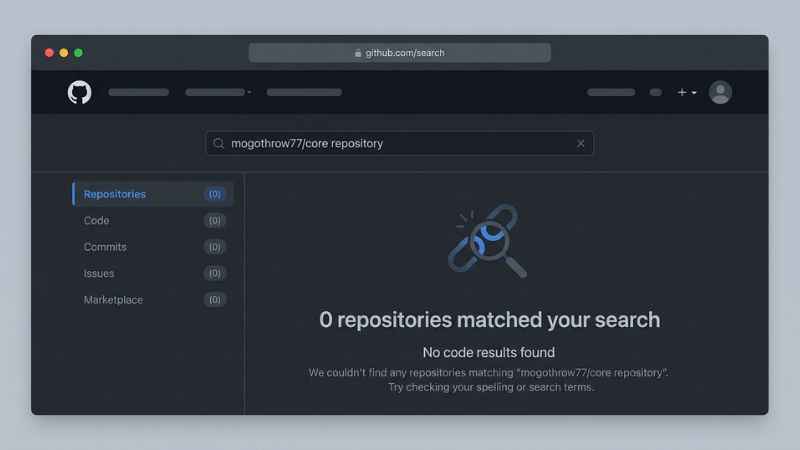
The main reason for this confusion is the total lack of public evidence. Searches for an official repository have not found a verified public repo.
Official Site Claims  --->  Proprietary / Closed Source (not open source)
                                     VS.
Third-Party Claims   --->  Unverified third-party claims; no public repo or license shown
Without an auditable public repository, third-party claims of partial open-source code remain unverified assertions.
How to Verify Mogothrow77’s Open-Source Status Yourself
You do not have to rely on rumors or unverified blog posts. You can check the open-source status of Mogothrow77—or any software tool—by following four simple steps.
+-------------------------------------------------------------------+
|                  4-STEP VERIFICATION WORKFLOW                      |
+-------------------------------------------------------------------+
|  [Step 1] Check Official Website & Terms                           |
|      |--> Look for "License", "Open Source", or "Terms of Service" |
|      v                                                            |
|  [Step 2] Search Public Code Hosts                                |
|      |--> Search GitHub / GitLab for official organization pages  |
|      v                                                            |
|  [Step 3] Inspect Repository Files                                |
|      |--> Look for LICENSE, COPYING, or manifest files            |
|      v                                                            |
|  [Step 4] Separate Product License from Dependencies               |
|      |--> Using open-source libraries != product is open source   |
+-------------------------------------------------------------------+
Step 1: Check the official website and docs
Always start at the official project domain (mogothrow77.com). Search for pages titled “License,” “Legal,” or “Developers.” If the official site states that the product is proprietary, that rule overrides outside claims.
Step 2: Search GitHub and GitLab for the organization
Most open-source projects host their code on public platforms. Go to GitHub or GitLab and search for the official organization name or project handle (mogothrow77). If searches return empty results, the project does not maintain a public source code repository.
Step 3: Inspect license files and dependency manifests
In a true open-source repository, the root directory contains a dedicated LICENSE or COPYING file. Developers also list external packages inside dependency files like package.json or requirements.txt.
Step 4: Distinguish product license from dependency licenses
A common mistake is confusing external libraries with the main application. A proprietary app can use open-source tools behind the scenes without opening its own source code to the public.
Quick Verification Checklist
You can use this simple checklist to verify any software project:
- [ ] Does the official website state an open-source license?
- [ ] Is there an active, official GitHub or GitLab organization?
- [ ] Does the repository include a recognized open-source license file (e.g., MIT, GPL, Apache)?
- [ ] Can users view, clone, and modify the source code without special permission?
Common Misconceptions About Mogothrow77 and Open Source
Understanding software licensing requires clearing up common misunderstandings.
Misconception 1: “It uses open-source components, so the product is open source”
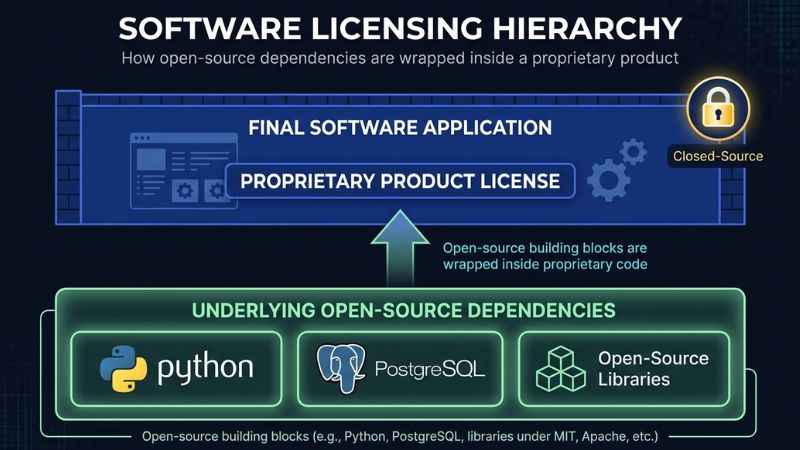
Using open-source tools in a software stack does not make the final product open source. A company can build closed, proprietary software on top of open-source components.
Misconception 2: “There is a GitHub page, so it must be open source”
Finding a page on GitHub does not automatically mean software is free to use or modify. Sometimes third-party users create personal forks, archive dead code, or post empty pages under similar names.
Misconception 3: “Claims of permissive licenses mean you can copy the code”
Articles mentioning an MIT License or Apache 2.0 license mean very little without the official license text attached to an active code repository. Always look for the actual license file in the main directory.
If You Need Open-Source Software: What to Look For Instead
If your team requires open-source software for security audits, custom modifications, or budget reasons, Mogothrow77 may not fit your needs. You can look for alternative tools that meet true open-source standards.
Criteria for a truly open-source project
A reliable open-source project provides four key items:
- A public code repository hosted on platforms like GitHub or GitLab.
- An OSI-approved license placed clearly in the root directory.
- Public contribution guidelines (such as a CONTRIBUTING.md file).
- Transparent release histories and public issue trackers.
Red flags to watch out for
Be cautious if a software project shows these signs:
- Unverified claims of open-source status without repository links.
- Missing links to source code hosts.
- Conflicting statements between official documents and marketing blogs.
Mogothrow77 vs. Typical Open-Source Projects
| Feature | Mogothrow77 | Typical Open-Source Project |
| Official License | Proprietary / Closed Source | MIT, Apache 2.0, GPL, etc. |
| Public Code Repository | None shown on official site; public repo unverified | Active on GitHub / GitLab |
| Source Code Access | Restricted; not open source | 100% Publicly Viewable |
| Modification Rights | Prohibited | Allowed under License Terms |
| Community Contributions | Not applicable; code is closed source | Accepted via Pull Requests |
Frequently Asked Questions
Is Mogothrow77 open source?
No. According to its official site at mogothrow77.com, Mogothrow77 is proprietary, closed-source software.
How much of Mogothrow77 software is open source?
Officially, none. The site says it is not open source. While some third-party blogs claim that parts of the code are open under a Core-Plus model, these claims lack public code repositories.
Where is the Mogothrow77 GitHub repository?
There is no verified public GitHub repository for Mogothrow77 as of the latest check.
What license does Mogothrow77 use?
The site says it is proprietary and closed source; users cannot view or modify the code.
Can I modify and redistribute Mogothrow77?
No. Because Mogothrow77 is closed source, you cannot legally alter, share, or redistribute its code without express permission from the copyright owner.
Why do some articles say Mogothrow77 is partially open source?
Many blogs confuse open-source dependencies with the overall application license. Others repeat unverified claims without checking for a public repository.
Does Mogothrow77 use open-source libraries?
Reports suggest Mogothrow77 uses open-source libraries in its tech stack, but this is not stated on the official open-source page. However, using open-source building blocks does not make the final application open source.
How can I verify if Mogothrow77 is open source?
You can verify the software status by checking mogothrow77.com for legal terms, searching GitHub for official repositories, and looking for an OSI-approved license file.
You May Also Like:
What Is Coolkingzone.com? A Complete Guide to Content, Safety, and Trust
Adomida.com Explained: What It Is, Legitimacy, and Guest Post Potential

Joseph Quinn is the founder and editor of Punspa, a technology-focused website covering technology, website reviews, internet terms, and other things worth figuring out online. He writes and edits the site’s technology and web content, with a focus on clear, useful explanations. He also enjoys humor and wordplay, which occasionally leads him to write a pun-related article just for the fun of it.