If you are looking for advice TheWeeklyHealthiness offers, you likely want clear steps for a healthier life. “Advice TheWeeklyHealthiness” refers to lifestyle guidance published on sites bearing the TheWeeklyHealthiness name. It focuses on small, manageable habits across food, movement, sleep, and mental well-being.
This guide breaks down that guidance into practical steps you can use right now. You do not need to change your entire life overnight. By focusing on small weekly actions, you can build a routine that fits your budget, schedule, and personal goals.
What does Advice TheWeeklyHealthiness mean?
The phrase combines “advice” with a site or brand name. Some search results use the phrase for wellness advice and basic daily routines. Some readers may be looking for a TheWeeklyHealthiness site. Others simply want the health tips linked to it.
Quick Summary:
"Advice TheWeeklyHealthiness" is a term for general wellness guidance.
It focuses on gradual habits rather than quick fixes or strict diets.
This article provides general informational advice. It is not personal medical care. Health needs and safe activity levels can vary by person. Always consult a qualified doctor or dietitian for medical decisions.
What does a balanced weekly wellness routine include?
A good wellness routine covers a few basic areas of health. You do not have to perform every habit perfectly every single day. A weekly plan may help some people adapt when life gets busy.
The core areas to consider
- Nourishing food: Eating a mix of colorful fruits, vegetables, whole grains, and protein.
- Regular movement: Getting your body moving through walking, strength exercises, or sports.
- Restful sleep: Giving your body time to rebuild and rest each night.
- Stress management: Taking short breaks to relax and lower daily pressure.
- Social connection: Staying in touch with friends, family, or supportive groups.
Why a weekly view is more flexible than daily perfection
If you miss a workout on Tuesday, your week is not ruined. A weekly plan can help you move an activity to another day, if that suits you. This flexible approach keeps you from feeling like a failure over minor schedule changes.
| Wellness Area | Small Daily Example | How to Adapt on Busy Days |
| Nutrition | Add one fruit or vegetable to lunch | Choose frozen or canned options to save time |
| Movement | Take a 20-minute walk after work | Break it into two 10-minute short walks |
| Sleep | Turn off screens before bed | Dim the lights early and take deep breaths |
| Stress | Take five deep breaths during breaks | Do one minute of slow breathing in your car |
How to start building healthier habits
Changing too much too fast may make a new routine harder to keep. If you try to change your entire diet and exercise plan at once, you may burn out.
3-Step Starter Method:
1. Pick ONE small habit you want to start.
2. Link that habit to an existing daily cue (like brushing your teeth).
3. Practice it consistently before adding another goal, as habit changes can take different amounts of time.
Choose one small action and a cue
A cue is something you already do every day. For example, taking a short walk right after lunch. Here, lunch is your cue, and walking is your new habit.
Make it fit your time, budget, and ability
You do not need expensive gym memberships or fancy organic food. Using frozen or canned produce can help make healthy eating more affordable. If walking outside is not an option, try light indoor stretching or bodyweight moves at home.
Review progress and restart after setbacks
Falling off your routine is a normal part of building new habits. Guidance from the National Institute of Diabetes and Digestive and Kidney Diseases (NIDDK) advises planning for setbacks and returning to your plan soon after one. If you miss a few days, simply pick up where you left off on your next planned activity.
Practical nutrition habits without rigid dieting
Healthy diets include a variety of foods, with needs shaped by a person’s situation and food customs. Major diet changes should fit a person’s health needs; seek a clinician’s advice when needed.
Aim for variety and balance across meals
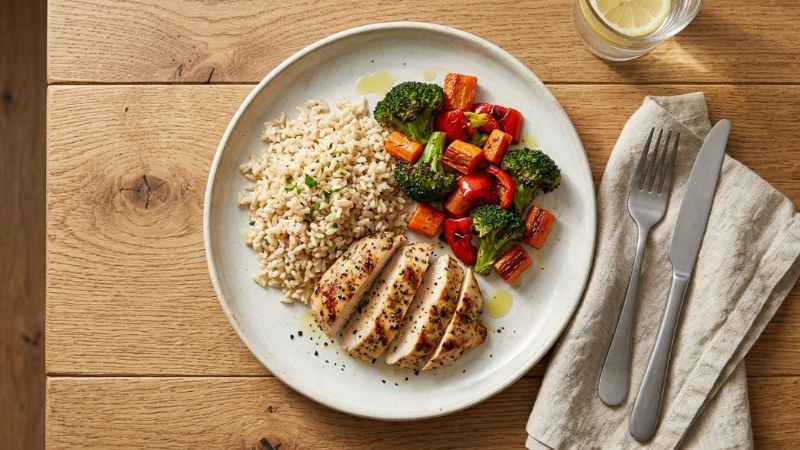
As a general example, try to fill your plate with a mix of foods:
- Vegetables and fruits: Provide essential vitamins and fiber.
- Whole grains: Foods like oats, brown rice, and whole-wheat bread are common wholesome staples.
- Protein foods: Beans, lentils, eggs, fish, and lean meats are examples of protein foods.
Make affordable, culturally suitable choices
Healthy food should fit your traditions and budget. Canned lentils, frozen vegetables, and dry rice may be affordable options depending on local prices. You do not need exotic superfoods to eat well. Choose wholesome ingredients that match your local cooking traditions.
Treat supplement claims cautiously
Marketing campaigns often push vitamins and powders as fast paths to good health. Food is a key source of nutrients, but some people may need supplements. Supplements are not a replacement for varied food, so ask a health provider if they may help.
Movement and recovery across the week

Regular physical activity is linked to heart, bone, and mood benefits. You do not need extreme workouts to experience these benefits.
Adult Activity Guidance (WHO & CDC)
- Aerobic Activity: Adults aged 18–64 should aim for 150–300 minutes of moderate-intensity movement (like brisk walking) or 75–150 minutes of vigorous-intensity movement each week, according to WHO guidelines.
- Strength Training: Include muscle-strengthening activities that involve all major muscle groups at least two days a week.
- Note: Always adjust activity targets to match your current age, physical fitness, and mobility level.
Build activity gradually and include strength work
If you are new to physical activity, starting with 5 or 10 minutes of walking per day can be a helpful example. Gradually increase your duration as your stamina improves. Simple bodyweight movements—like chair squats, wall push-ups, and step-ups—are examples that can help build strength, provided you choose moves you can do safely.
Adapt movement to health, ability, and schedule
Movement should fit your current physical capabilities. People with pain or health concerns should ask a health professional which activities are safe for them. Listen to your body and give muscles time to recover between hard efforts.
Support sleep and mental well-being
Sleep supports health and mood, and stress management is an essential pillar of physical health.
Create a repeatable wind-down routine
Help your body prepare for rest by setting a consistent bedtime. CDC guidance supports keeping your bedroom quiet, relaxing, and cool. CDC guidance also advises turning off electronic devices before bedtime.
Use realistic stress-management and connection habits
Long-term stress can worsen some health problems. Simple practices like taking short breaks, journaling, or talking with a trusted friend can relieve daily tension. People who struggle to cope can seek extra support from a health professional.
Common mistakes and how to get back on track
When building new habits, simple missteps can stall your progress. Here is how to fix the most common mistakes:
- Trying to change everything at once: Focus on one clear habit until it feels easy.
- All-or-nothing thinking: Missing one workout does not mean you must give up; return to your plan when you can.
- Tracking every single detail: If logging every calorie or step creates stress, track only basic goals like daily fruit intake or weekly walks.
- Believing unverified online advice: Double-check health claims against trusted medical websites or consult a licensed health professional.
Frequently asked questions about TheWeeklyHealthiness advice
What does “Advice TheWeeklyHealthiness” mean?
It refers to practical lifestyle guidance found on health sites using that name.
Which habit should I start with as a beginner?
Pick the easiest action that fits your day. Taking a 10-minute walk after lunch is a helpful starter choice.
How do I restart after falling off my routine?
Do not try to make up for missed days with extreme measures. Simply resume your regular plan with your next meal or scheduled walk.
Is strict dieting necessary for good health?
Many people can eat well without strict rules, as individual diet needs vary.
How much exercise do I need each week?
Public health guidelines recommend that adults aim for 150–300 minutes of moderate activity (or 75–150 minutes of vigorous activity) spread across the week, alongside muscle-strengthening activity at least two days a week.
How do I know if online health advice is reliable?
Readers can check the author, review details, sources, and health claims before trusting advice.
You May Also Like:
Posts ThriftyEvents.net: What the Site Publishes and How to Find Relevant Articles
SFFareboxing Schedules by SportsFanfare: What the Boxing Listings Mean

Joseph Quinn is the founder and editor of Punspa, a technology-focused website covering technology, website reviews, internet terms, and other things worth figuring out online. He writes and edits the site’s technology and web content, with a focus on clear, useful explanations. He also enjoys humor and wordplay, which occasionally leads him to write a pun-related article just for the fun of it.