SomeArticles.com is an online domain that has published content on the web. If you want to share a post, buy a link, or read its pages, you should check the domain carefully first. This guide explains what the domain offers, how to check its real owners, and what to verify before you pay any money.
The table below shows what can be confirmed about the site from checked pages.
| Area Checked | What We Found | How Sure We Are | Last Checked | Source |
| Site Status | At least one SomeArticles.com article page was reachable during checking. | High (Tested directly) | October 4, 2026 | Direct HTTP test |
| Published Pages | The checked page contains a detailed venue seating guide. | High (Observed directly) | October 4, 2026 | Some Articles seating article |
| Owner Identity | Public registration details can be checked using ICANN RDAP. These details may not identify the website operator. | Medium (Requires ICANN Lookup) | October 4, 2026 | ICANN RDAP Lookup FAQ |
| Article Pricing | No pricing was found on the pages listed in this guide. | High (Needs direct contact) | October 4, 2026 | Checked article page |
What Is SomeArticles.com?
SomeArticles.com has hosted general web content. A checked page is a general guide about stadium seating.
Some third-party pages discuss the domain. However, some reviews make big claims that are hard to prove. It is important to know which facts are real and which are just claims.
| Fact Type | Details Found |
| Verified Fact | At least one SomeArticles.com page appears in Google Search. |
| Verified Fact | The checked page contains a detailed venue seating guide. |
| Unverified Claim | Claims about site traffic without named source data. |
| Unverified Claim | Claims that a link from this site guarantees search ranks. |
If these pages exist, check the About, Contact, Privacy, and Terms pages:
- About Page: Check this page to see who runs the site.
- Contact Page: Look for a real email address or contact form.
- Privacy Policy: Read how they handle your personal data.
- Terms of Service: Check the rules for using their pages.
What Does SomeArticles.com Publish?
The checked page covers a live-event venue.
Topics and article formats
The checked page uses a clear headline, short sections, bullet points, and images.
When reviewing articles, check for author names and publication dates on each page.
How to judge content quality
Before you share or buy content on any site, check its quality. Use this quick five-minute test:
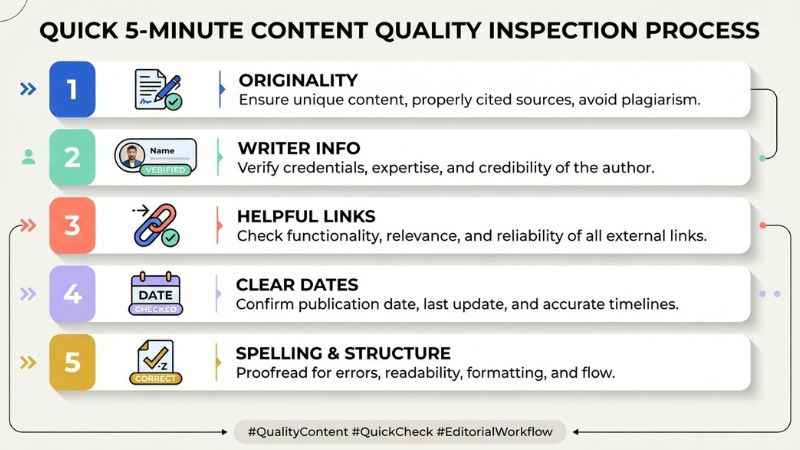
- Originality: Copy two sentences from a post. Put quotes around them and search them online. Make sure the text is not copied from another site.
- Writer Info: Look for an author photo, a short bio, or links to real social media pages.
- Helpful Links: Check if the post links to reliable source pages or just to sales sites.
- Clear Dates: Look for clear posting dates so you know the text is fresh.
- Spelling and Structure: Check if the text is clean, easy to read, and free of big errors.
Is SomeArticles.com Legitimate and Safe?
At least one SomeArticles.com article page was reachable during checking. However, saying a page loads does not mean it is the right place for your money or your articles.
Is the Site Safe for You?
 ├── Domain exists? (Verify ICANN)
 ├── Page loads? (Tested)
 ├── Real contact info? (Check contact page)
 └── Clear payment terms? (Verify before paying)
To know if a site is safe for business, break the question into smaller parts:
- Is the domain real? At least one article page was reachable during testing.
- Is the owner clear? Public registration details can be checked using ICANN RDAP. These details may not identify the website operator.
- Are the terms clear? You must ask for written rules before you send money or content.
What the domain record can prove
You can use ICANN Lookup, which uses RDAP to show available domain registration data:
- The domain creation date recorded by the registry.
- The company that manages the registration.
- The recorded domain expiration date.
- The technical server settings.
These details show registration information, not site quality or trust.
What the domain record cannot prove
Domain registration details have limits. They cannot tell you everything about a site:
- They cannot prove that the site gets high traffic.
- They cannot guarantee that the articles are well-written.
- They cannot show if the owner is honest.
- They cannot promise that your website ranking will improve.
Warning signs before payment
Be careful if a site seller shows you these warning signs:
    [ Red Flags to Avoid ]
              │
  ┌───────────┼───────────┐
  ▼           ▼           ▼
[ Rush ]  [ No Terms ] [ Fake Stats ]
- Guaranteed Ranks: A seller cannot reliably guarantee a top Google ranking.
- Rush Tactics: Sellers who force you to pay today or lose a deal.
- No Written Terms: Sellers who refuse to share refund rules.
- Vague Offers: Sellers who will not send you the exact web link first.
- Payment Mismatches: The name on the payment invoice does not match the site name.
Does SomeArticles.com Offer Guest Posts or Paid Articles?
Do not assume SomeArticles.com accepts guest posts or paid placements. If an official contact or submission page exists, use it to ask for current guidelines before you write or send a post.
What to verify before submitting
If you want to submit a free article, check these items first:
- Topic Fit: Make sure your topic matches what the site normally publishes.
- Editing Rights: Ask if the team will edit your text or change your title.
- Link Rules: Find out how many links you can keep inside your article.
- Post Ownership: Check if you can publish the same text on your own blog later.
What to verify before paying
If a seller asks for money to post your text, protect your funds with this simple checklist:
| Question to Ask | Why It Matters | What Evidence to Request |
| Where will it live? | Ensures your post stays in a main, indexable section. | Ask for a live sample URL. |
| How are links marked? | Google recommends rel="sponsored" for paid links. It also accepts rel="nofollow". | Ask for written link rules. |
| What if it drops? | Posts sometimes get deleted by mistake later on. | Ask how long the post should remain online and what happens if it is removed. |
| Who handles edits? | Prevents unwanted changes to your business name. | Ask for an email approval agreement. |
Are SomeArticles.com Backlinks Safe for SEO?
A link from another website can help people find your business. However, buying links just to boost search rankings can carry risk.
       [ What Makes a Good Link? ]
                   │
  ┌────────────────┼────────────────┐
  ▼                ▼                ▼
[ Relevant ]  [ Useful Text ]  [ Properly Tagged ]
Google’s spam policies cover links created mainly to manipulate rankings.
Editorial links vs. paid links
Understanding link types helps you make safe choices for your website:
- Editorial Links: Editorial links can be natural when they genuinely help readers, but quality still matters.
- Paid Links: A paid link is exchanged for money, goods, services, or another benefit. Google recommends
rel="sponsored"for paid links. It also acceptsrel="nofollow". This marks the link as sponsored or otherwise qualified.
How to assess the actual SEO value
Do not buy a link just because a domain has been online for years. The safety of a specific link depends on its page, purpose, relevance, and link label. Look at these key items instead:
[ Check Site Traffic ] ──► [ Check Content Fit ] ──► [ Check Outbound Links ]
- Topic Match: Does the site publish articles about your industry?
- Real Readers: Does the site get visitors who actually read the posts?
- Outbound Links: Does the page link out to hundreds of spam sites?
- Stable Pages: Do old articles stay online, or do they disappear after a month?
| Useful Link Placement | Risky Link Placement |
| Fits the article topic naturally. | Added to an unrelated post. |
| Helps the reader learn more. | Uses forced, sales-heavy phrases. |
| Marked clearly if money changed hands. | Tries to hide paid status from readers. |
| Traffic should be supported by reliable data. | Placed on a site built only for selling links. |
How to Check SomeArticles.com Before You Trust It
Follow these six practical steps to check any article website before you share your content or money.
Step 1: Direct Visit  ──►  Step 2: Check Contact  ──►  Step 3: Read Content
                                                             │
Step 6: Warning Signs ◄──  Step 5: Verify Offer   ◄──  Step 4: Check ICANN
Step 1 — Visit the official domain directly
Type the web address straight into your browser. Check that the page loads securely with https:// at the start. Make sure the site stays up and does not redirect you to odd sales pages.
Step 2 — Inspect identity and contact information
Look at the footer at the bottom of the page. Check for a physical address, a working support email, and links to real social media channels.
Step 3 — Review representative articles
Open three different posts on the site. Read through them to check the writing quality:
- Are the sentences easy to follow?
- Do the articles give real, helpful facts?
- Are the images clear and clean?
Step 4 — Verify domain and technical information
Use ICANN Lookup, which uses RDAP to show available domain registration data. Check the domain’s creation date, expiration date, and status in ICANN Lookup.
Step 5 — Validate commercial claims
If a seller offers to post your article, ask for simple proof:
- Ask for written pricing terms.
- Ask for sample links from recent months.
- Ask how long the post should remain online and what happens if it is removed.
Step 6 — General warning signs to consider
Use this list of warning signs to help evaluate offers:
- Standard Checks: Clear contact info, posted terms, and quality content.
- Caution Flags: Limited identity details or unconfirmed email contacts.
- High Risk Flags: Guarantees top ranks, demands fast payment, or lacks written terms.
These are general checks, not a rating of SomeArticles.com.
Common Mistakes When Evaluating Article Websites
It is easy to make quick choices when looking for article sites. Avoid these frequent mistakes:
- Trusting Old Domains Automatically: An old domain can still host low-quality content.
- Believing Unverified Screenshots: Traffic images can be edited easily. Always ask for real, verified proof.
- Ignoring Topic Fit: A sports site may be a poor topical match for a local plumbing business.
- Skipping the Terms Page: Paying without a written receipt or refund rule leaves you unprotected.
- Calling Sites Scams Too Fast: Hidden domain registration data is common for privacy and does not prove fraud on its own.
Frequently Asked Questions About SomeArticles.com
What is SomeArticles.com?
A checked SomeArticles.com page is a venue guide.
Is SomeArticles.com a real website?
A SomeArticles.com article page was found in Google Search and could be fetched.
Is SomeArticles.com safe to use?
Check any reachable page directly, and review the seller’s refund terms before paying for a placement.
Who owns SomeArticles.com?
ICANN RDAP may show public registration details, but it may not reveal the website operator’s name.
Does SomeArticles.com accept guest posts?
If an official contact or submission page exists, use it to ask for current guidelines.
How much does SomeArticles.com charge for a post?
No pricing was found on the checked article page. Check through official domain pages to inquire about rates.
Are links from SomeArticles.com safe for SEO?
The safety of a specific link depends on its page, purpose, relevance, and link label.
How do I check a publishing offer?
Ask the seller for a sample URL, clear link rules, a written receipt, and ask how long the post should remain online and what happens if it is removed.
Verification Method and Limitations
This guide includes direct observations from one fetched article page and standard web safety rules.
- Pages Reviewed: Checked available sample URL records for the domain.
- Tools Used: Google Search for site:somearticles.com and ICANN Lookup for the domain record.
- Third-Party Claims: Unverified claims from third-party review sites were omitted unless backed by direct proof.
- Limitations: Some registration data may be hidden or redacted in ICANN Lookup, and no pricing was found on the checked article page.
Check any pricing, contact details, and publishing rules through the domain’s official pages.
You May Also Like:
What Is BagelTechNews.com? The Complete Guide to This Tech News Hub
TrendingPressWave.com Explained: Coverage, Credibility, and How to Verify the Site

Joseph Quinn is the founder and editor of Punspa, a technology-focused website covering technology, website reviews, internet terms, and other things worth figuring out online. He writes and edits the site’s technology and web content, with a focus on clear, useful explanations. He also enjoys humor and wordplay, which occasionally leads him to write a pun-related article just for the fun of it.