When someone uses snowflake meaning slang, they usually describe a person who is overly sensitive, easily offended, or feels entitled to special treatment. Just like a real snowflake, the term implies someone is unique, delicate, and melts under pressure.
However, this popular insult has a much broader story. Beyond political debates, people use it in texting, dating, gaming, and online slang. This guide breaks down every context, origin, and modern usage so you can understand what it means wherever you see it.
What Does “Snowflake” Mean in Slang? (Core Definition)
In modern slang, calling someone a snowflake means they are too sensitive or fragile. They cannot handle minor criticism or opposing opinions without feeling hurt or outraged.
Direct Answer: A snowflake is a derogatory slang term for a person who is overly sensitive, easily offended, and holds an exaggerated sense of unique entitlement. It implies they lack emotional resilience and crumble when faced with challenge or opposition.
Here are a few quick examples of how it appears in everyday conversations:
- “You cannot give him feedback without an argument. He is such a snowflake.”
- “Don’t be a snowflake! It was just a joke.”
While many people view it as a harsh political insult, friends often use it playfully when someone reacts dramatically to a minor problem.
Where Did “Snowflake” Come From? (Origin & Evolution)
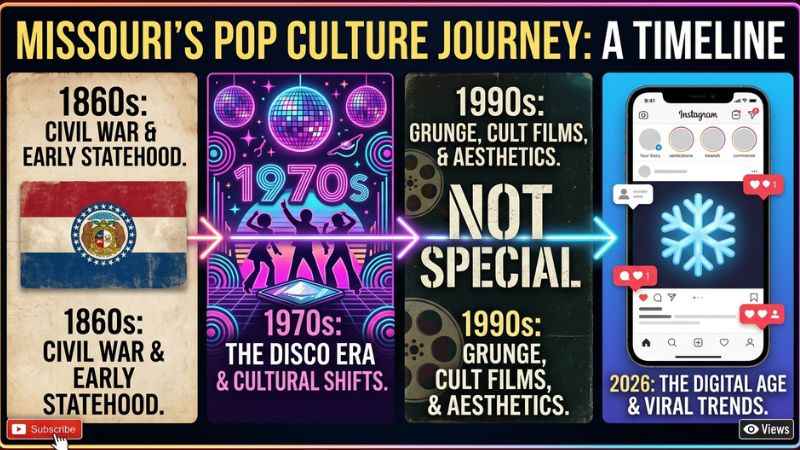
The term did not start on the internet. It evolved through several different meanings over more than 150 years.
| Era | Context / Stage | Meaning & Usage |
| 1860s Missouri | Pro-Slavery Insult | Originating during the American Civil War era as a derogatory label used by abolitionists for pro-slavery individuals. |
| 1970s | Racial & Cocaine Term | Shifted in urban street culture to describe white individuals, people accused of acting white, or slang for cocaine. |
| 1996 | “Not a Beautiful Snowflake” | Popularized by Chuck Palahniuk’s novel Fight Club to challenge the idea that every individual is uniquely special. |
| 2010s–2026 | Political & Generational Label | Evolved into a culture-war insult targeting individuals perceived as overly sensitive, fragile, or entitled. |
1860s Missouri: Pro-Slavery Term Usage
During the American Civil War era in Missouri (early 1860s), abolitionists used “Snowflake” as a derogatory term for pro-slavery individuals who opposed the abolition of slavery. The implication was that such people valued white people over Black people. This usage was geographically limited to Missouri and did not endure beyond that era.
1970s: Racial Slang & Cocaine Reference
By the 1970s, the term shifted in urban environments. It became a derogatory term for a white person or a black person accused of acting white. Around the same time, street culture adopted “snowflake” as a slang term for cocaine.
1990s: Fight Club & “You Are Not Special”
The modern insult stems from Chuck Palahniuk’s 1996 novel Fight Club and its 1999 movie adaptation. The character Tyler Durden famously tells his followers:
“You are not special. You’re not a beautiful and unique snowflake. You’re the same decaying organic matter as everything else.”
This quote targeted the idea that everyone is born special and deserves unique praise.
2010s–2020s: Political Insult & Culture Wars
During the 2016 US presidential election and the UK Brexit debate, conservative commentators, including figures like Piers Morgan, popularized the word. It became a weapon against political opponents, college students demanding safe spaces, and social justice advocates.
By 2026, the term is widely recognized across media, dictionaries like Cambridge and Merriam-Webster, and online forums.
Snowflake in Different Contexts (All Meanings Explained)
Depending on where you see or hear the word, the meaning shifts completely.
| Context | Meaning | Tone | Example |
| Political Slang | Oversensitive liberal or conservative who cannot handle opposition. | Derogatory / Hostile | “They cancelled the event because a few snowflakes complained.” |
| Generational | Stereotype describing Millennials or Gen Z as emotionally fragile. | Critical | “Generation Snowflake cannot handle standard office feedback.” |
| Emoji (❄️) | Means cold behavior, being distant, or slang for cocaine. | Playful or Warning | “Why are you being so ❄️ today?” |
| Gaming | A player who demands special treatment, rare skins, or rages at losses. | Mocking | “Stop crying in chat about the loss, snowflake.” |
| Drug Slang | High-purity cocaine. | Underground / Neutral | “He got caught dealing snowflake at the club.” |
Political Slang (Conservative vs Liberal Usage)
Originally, right-leaning commentators used the word to mock left-leaning individuals as weak or overly sensitive to offensive speech. Today, both sides use it. Progressively minded individuals often flip the insult back at conservative opponents who react angrily to modern social changes or diverse media representations.
Generational Label (“Generation Snowflake”)
Media commentators coined “Generation Snowflake” to describe young adults—mostly Millennials and Gen Z. The label claims these generations were overprotected by parents, leaving them unprepared for real-world stress or opposing viewpoints.
Emoji & Texting (❄️)
In text messages and dating apps, the snowflake emoji (❄️) rarely means the political insult. Instead, it signals:

- Cold behavior: Telling someone they are acting distant or emotionally cold.
- Flirting: Calling someone “cool” or unique in a playful manner.
- Drug references: Signaling cocaine in hidden drug discussions online (though a single emoji should not be interpreted as definitive evidence of drug references; context is essential).
Gaming
In some online gaming communities, players occasionally use “snowflake” to describe opponents who complain about game mechanics or losses, though this is not a standardized or widely documented gaming term.
Drug Slang
Outside social commentary, illicit drug dealers and users have long used “snowflake” as street slang for cocaine due to its white, crystalline appearance.
Is “Snowflake” Offensive? When It Crosses the Line
Calling someone a snowflake is an intentional put-down. It aims to dismiss another person’s feelings, boundaries, or valid complaints by framing them as weak.
- When it is hostile: Using the word in political debates or workplace discussions shuts down communication. It tells the other person that their opinion does not matter because they are fragile.
- When it is playful: Among close friends, teasing someone for complaining about mild weather or a minor inconvenience can be harmless.
- Who uses it most: Older generations, political commentators, and online trolls use it most frequently, though it appears across all demographics.
“Generation Snowflake”: Real or Myth?
The phrase gained mainstream attention after Claire Fox published her 2016 book I Find That Offensive!. The book argued that younger people prefer emotional safety over free speech.
However, modern research pushes back against this stereotype. Recent studies on Gen Z resilience highlight that young adults face high economic stress, rising housing costs, and rapid technological shifts. A 2026 analysis of 70,000+ candidate assessments found Gen Z and Millennials demonstrate 26% above-average stress management, suggesting burnout is more often a systems issue than individual fragility. A 2026 Lancet commentary also challenges the ‘snowflake generation’ narrative. Experts point out that speaking openly about mental health and setting personal boundaries is a sign of emotional awareness, not fragility. The “snowflake” label often mistakes healthy boundary-setting for weakness.
How to Respond If Someone Calls You a Snowflake
When an opponent or troll calls you a snowflake, they want to provoke an angry reaction to prove their point. A calm, measured response disables the insult.
- Stay calm: Do not raise your voice or display visible anger.
- Ask for specifics: Make them explain their point without using name-calling.
- Reframe the issue: Point out that caring about fairness or setting boundaries is a strength.
- Disengage: If they continue using insults, end the conversation.
Simple Scripts to Use:
- “I am not being sensitive. I am asking you to address the point I made.”
- “Setting clear boundaries is not weakness; it is standard communication.”
- “If caring about this topic makes me sensitive, I am fine with that.”
The “Snowflake Test” in Hiring (What It Is & Why It Is Risky)
In 2017, a few companies made headlines by creating a “snowflake test” for prospective employees. These informal interviews asked provocative political or social questions to filter out easily offended applicants.
HR professionals warn the snowflake test lacks scientific validation and likely violates EEOC guidelines requiring pre-employment tests to be job-related. While no specific EEOC lawsuit targeting a ‘snowflake test’ has been publicly documented, similar unvalidated screening practices have resulted in discrimination settlements. Modern companies focus on verified emotional intelligence assessments instead.
FAQ: Snowflake Slang Questions Answered
What does snowflake mean in dating?
In dating, calling someone a snowflake means they demand constant attention, require special handling, or cannot deal with normal relationship issues without dramatic reactions.
What does the term mean in urban slang?
In urban slang, it historically referred to white individuals, cocaine, or a person who acts superior to others based on exaggerated uniqueness.
What does snowflake mean in Words With Friends?
In some online gaming chats, players occasionally use ‘snowflake’ to mock opponents who complain about game mechanics, though this is not a standardized term in Words With Friends specifically.
What is the drug meaning of snowflake?
It is a common street term for high-grade cocaine powder.
Why do people find the term offensive?
It is offensive because it invalidates genuine emotional reactions and dismisses legitimate arguments as personal fragility.
Is “Generation Snowflake” an accurate description?
No. Studies show that younger generations demonstrate high adaptability and resilience while managing unique modern economic and social pressures.
How do I respond if someone calls me a snowflake?
Stay calm, ignore the name-calling, and ask them to address your actual argument directly.
What is the hiring snowflake test?
It was an informal, controversial interview tactic designed to filter out sensitive job candidates, which HR experts now reject due to legal risks and lack of scientific validity.
Key Takeaways
- Core Meaning: Calling someone a snowflake means labeling them as overly sensitive, fragile, or entitled.
- Rich Origins: The term evolved from 1860s pro-slavery politics to 1970s street slang, 1990s Fight Club pop culture, and 2010s political debates.
- Context Matters: It carries distinct meanings in political discussions, texting (❄️), gaming, and drug culture.
- Debunking the Myth: Research shows “Generation Snowflake” is a flawed stereotype that confuses mental health awareness with fragility.
- Best Response: Keep your composure, avoid angry reactions, and steer the conversation back to hard facts.
If you encounter this term in a heated debate, focus on the facts of the argument rather than falling for name-calling tactics.
You May Also Like:
20’s Lingo: The Ultimate Guide to 1920s Slang (Jazz Age Phrases, Flapper Talk & Speakeasy Lingo)
CPO Meaning: Certified Pre-Owned Cars, Chief Product Officer & More

Joseph Quinn is the founder and editor of Punspa, a technology-focused website covering technology, website reviews, internet terms, and other things worth figuring out online. He writes and edits the site’s technology and web content, with a focus on clear, useful explanations. He also enjoys humor and wordplay, which occasionally leads him to write a pun-related article just for the fun of it.