The phrase thejavasea.me leaks aio-tlp370 refers to an unverified collection of stolen usernames, passwords, and logs shared online. TheJavaSea.me is a forum linked to leak discussions and file sharing. AIO-TLP370 is the label given to a specific bundle of data circulating via that site. It is not a confirmed single-company breach, but an unverified aggregated bundle that may mix older leaks into one file.
If your email or password was part of an older leak, it might be inside this collection. Downloading these files can be dangerous because they often contain harmful programs. Here is what you need to know about this trending file package, the real risks it brings, and how to keep your accounts safe without visiting risky websites.
What Is “thejavasea.me Leaks AIO-TLP370”?
Understanding this phrase is simple once you break it down into its three main parts:
- TheJavaSea.me: A website and forum linked to leak discussions and file sharing.
- Leaks: Files containing private information like emails, passwords, or phone numbers stolen during past cyberattacks.
- AIO-TLP370: The file label assigned to this specific download package.
Plain-English Definition of the Phrase
In simple terms, “thejavasea.me leaks aio-tlp370” describes a large file download posted on a public security forum. The file claims to hold stolen login records gathered from many different places across the web.
Is AIO-TLP370 a Verified Breach?
No. AIO-TLP370 is not a single, verified data breach from a brand-new corporate hack. Instead, it is an unverified collection. Some security commentators describe it as a recycled bundle of old security leaks rather than fresh, stolen data from one company.
Reported Details (Unverified)
Online posts claim this bundle contains text files, login credentials, and browser logs. These claims come from forum users and have not been confirmed by independent security firms.
What Do “AIO” and “TLP” Mean in AIO-TLP370?
The name looks like official security jargon, but it appears to be an informal label or tag used online.
AIO = “All-In-One” Leak Bundles
In cybersecurity discussions, AIO stands for “All-In-One.” An AIO leak bundle combines data from many different website hacks into a single download file. Instead of downloading fifty smaller files, a hacker downloads one giant folder.
TLP and the Real Traffic Light Protocol
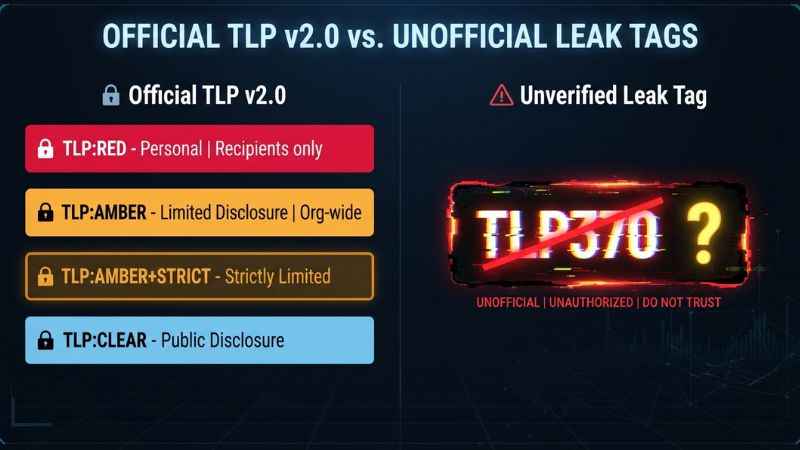
In the security world, TLP stands for the Traffic Light Protocol (TLP v2.0). It is a widely used sharing protocol to share sensitive information safely using standard levels:
- TLP:RED: Highly confidential. Only specific people can see it.
- TLP:AMBER: Limited sharing. Only share with team members who need to know.
- TLP:AMBER+STRICT: Strictly confined to the organization only.
- TLP:CLEAR: Public information. Anyone can see it.
The label “TLP370” is not an official cybersecurity code. It appears to be an informal label or tag used in posts rather than an official classification.
Quick Comparison: AIO vs. TLP in This Context
| Term | Real Cybersecurity Meaning | How It Is Used in AIO-TLP370 | Key Takeaway |
| AIO | All-In-One bundle | A large file combining many smaller leaks | Contains data from multiple old hacks |
| TLP | Traffic Light Protocol (v2.0 sharing protocol) | Used as part of an informal file label (“TLP370”) | It is a custom tag, not an official classification |
What Is Reported About the AIO-TLP370 Leak Package?
While the bundle is unverified, understanding what these files are claimed to contain helps you spot real risks to your privacy.
Commonly Claimed Contents
Unverified claims from forum posts suggest the package contains several types of information:
- Email and password pairs: Old login combinations collected from past company leaks.
- Browser log files: Browser logs may be included, reportedly from malware, but this is unverified.
- Website config files: Settings and access codes reportedly used by web developers, though unverified.
Because anyone can build an AIO file, the data inside is often messy, duplicated, and mixed with fake information.
Real Cybersecurity and Privacy Risks
Even if a leak bundle contains older data, it still creates real hazards for everyday internet users.
Malware and Malicious Files in Unknown Archives
Downloading compressed zip files from forum sites can be dangerous. Cybercriminals often hide harmful software inside these archives. When you unpack the file, you might infect your computer with malware (including possible ransomware or spyware) that steals your personal files.
Credential Theft and Credential Stuffing Attacks
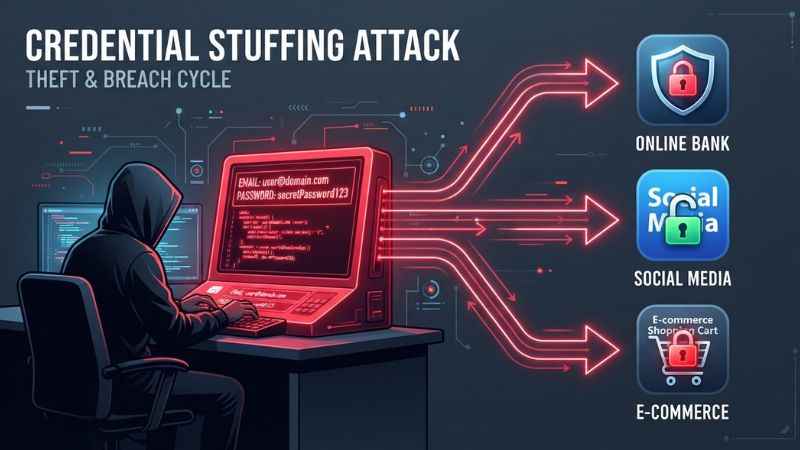
A major threat from any leak bundle is an automated attack called credential stuffing.
Here is how credential stuffing works:
[Hacker gets leaked email & password]
               │
               ▼
[Automated program tests credentials]
               │
   ┌───────────┼───────────┐
   ▼           ▼           ▼
[Bank App] [Social] [Shopping]
   │           │           │
   ❌          ✅          ❌
               │
               ▼
[Hacker gains control of unlocked account]
If you use the same password for multiple accounts, a hacker can unlock your social media, email, or shopping accounts in seconds using automated tools.
Phishing and Social Engineering Risks
If your phone number or email address is exposed, scammers can send you targeted fake messages. They might pretend to be your bank or a delivery company, using your leaked details to trick you into clicking harmful links.
Legal and Ethical Risks of Downloading Leaks
Downloading stolen data files can violate local laws against possessing unauthorized computer records. Visiting questionable leak forums can also expose your IP address to unknown actors.
How to Check If You Are Affected (Without Visiting Risky Sites)
You do not need to visit TheJavaSea.me or download dangerous files to see if your accounts are safe. Follow these secure steps instead:
- Use trusted breach-checking tools: Visit reputable safety websites like Have I Been Pwned. Type in your email address to see if it appeared in known data leaks. These tools show known breaches; they may not list every leak bundle.
- Avoid fake leak-lookup sites: Never enter your current password into unknown websites that claim to check leak status.
- Check account activity logs: Log into your primary email, banking, and social media accounts. Look for a setting called “Active Sessions” or “Recent Activity.” Force a logout on any device you do not recognize.
- Run a domain audit (For Small Business Owners): If you run a business, use corporate credential monitoring tools to see if any company email addresses appeared in public password dumps.
How to Protect Your Accounts After a Leak
If you suspect your information was included in a leak, take these simple actions right away to lock down your digital life.
Priority 1: Main Email & Online Banking
       │
       ▼
Priority 2: Social Media & Messaging Apps
       │
       ▼
Priority 3: Shopping Sites & Minor Services
1. Change Passwords Strategically
Do not rush to change every minor account password at once. Focus on your most sensitive accounts first:
- Primary email accounts (these control password resets for everything else)
- Online banking and credit card portals
- Primary social media profiles
2. Stop Password Reuse and Use a Password Manager
Using the same password across multiple websites makes credential stuffing easy for attackers. Create a unique, strong passphrase for every site. Use a secure password manager program to store and remember them all for you.
3. Enable Multi-Factor Authentication (2FA)
Turn on Multi-Factor Authentication (2FA) on every account that offers it. 2FA requires a second step, like a code sent to an authenticator app on your phone, before anyone can log in. Even if a hacker has your password from the AIO-TLP370 file, 2FA stops them from getting inside.
4. Monitor Account Alerts
Turn on login notification emails for your primary accounts. If anyone tries to log in from a new computer or location, you will receive an instant alert to block them.
Common Mistakes and Myths About Leaks Like AIO-TLP370
Clear up these common misunderstandings to keep your accounts secure:
- Myth: “I need to download the leak file to see if my password is in it.”
- Fact: Downloading unknown files puts your computer at high risk for malware infection. Use trusted online lookup tools instead.
- Myth: “If my email is listed, all my online accounts are lost.”
- Fact: A leaked password only hurts you if you reused it elsewhere, or if you failed to turn on 2FA protection.
- Myth: “TLP370 proves this is an official government security warning.”
- Fact: TLP370 is an informal label used in posts; the uploader identity is not publicly confirmed.
Frequently Asked Questions
What is “thejavasea.me leaks aio-tlp370”?
It is the name of a large file package shared on an online forum linked to leak discussions called TheJavaSea.me. The package claims to hold a collection of stolen usernames, emails, and passwords gathered from multiple past data leaks.
Is AIO-TLP370 a real, verified data breach?
No, it is not a newly verified hack of a specific company. Some security commentators describe it as an unverified bundle of older leak files combined into one large file download.
What do “AIO” and “TLP” stand for?
“AIO” stands for “All-In-One,” meaning the file combines data from many sources. “TLP” stands for Traffic Light Protocol, a protocol used to share sensitive data, though here it is used as an informal file label.
Is “TLP370” an official cybersecurity classification?
No. Official Traffic Light Protocol (v2.0) ratings use levels like RED, AMBER, AMBER+STRICT, and CLEAR. “TLP370” is an informal label used in forum posts.
What are the main risks if my data is in this leak?
The main risks are credential stuffing attacks on your other accounts, targeted scam emails, and phishing attempts that use your personal details to trick you.
How can I check if my email or password was leaked?
Use established breach-check websites like Have I Been Pwned. Simply type in your email address to check if it appeared in past public leaks without risking your computer’s safety. Note that these tools show known breaches and may not list every unverified leak bundle.
Should I visit thejavasea.me to check the leak?
No, visiting leak forums or downloading files from them exposes your computer to malware, computer viruses, and unsafe web links.
What should I do if I reused passwords across sites?
Change those passwords immediately. Create a unique, strong password for every account and store them using a trusted password manager tool.
Can downloading leak files infect my device?
Yes, file archives shared on leak forums often hide malware, dangerous code scripts, or spy software designed to steal data from your computer.
Is it legal to download or share leaked data bundles?
In many regions, downloading or distributing files that contain stolen private personal data, passwords, or financial records can be illegal.
Key Takeaways for Staying Safe Online
- Avoid downloading unknown files: Never download leak archives or visit unverified leak forums.
- Check safety using trusted tools: Use established breach checkers to look up your email safely.
- Stop password reuse: Create unique passwords for every online account you own.
- Enable 2FA today: Turn on two-factor authentication for your email, bank, and social accounts.
- Act on alerts: Pay attention to security notifications and log out of unrecognized active sessions.
You May Also Like:
ESO Suite: Login, Features, Products, and EMS Software Explained
Thealitekeepsafe.com Explained: What It Is, Legitimacy, Content, Guest Posting & Safety Tips

Joseph Quinn is the founder and editor of Punspa, a technology-focused website covering technology, website reviews, internet terms, and other things worth figuring out online. He writes and edits the site’s technology and web content, with a focus on clear, useful explanations. He also enjoys humor and wordplay, which occasionally leads him to write a pun-related article just for the fun of it.